
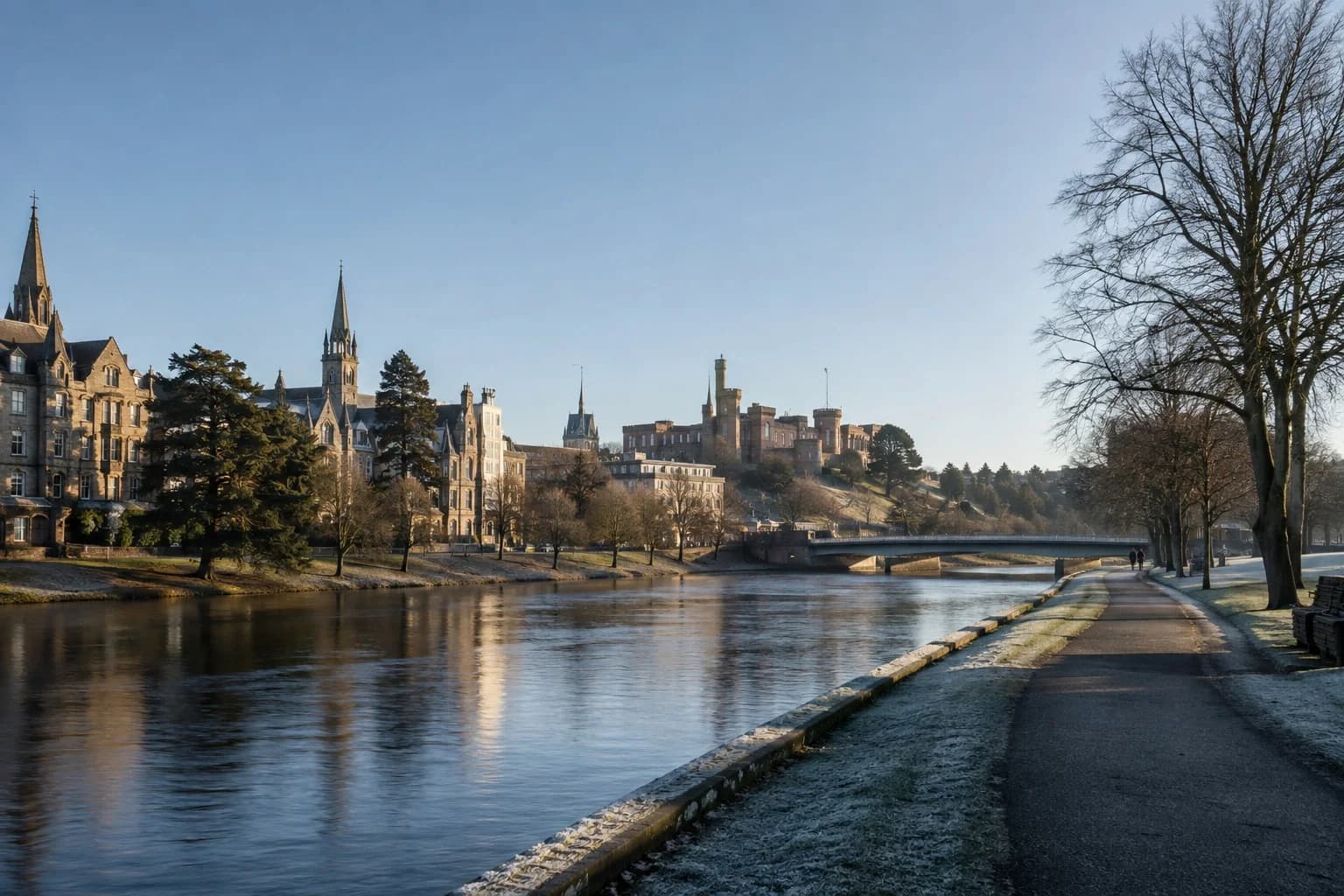
Same city, same castle, same loch. The only thing that changes between February and August is how many people are competing for a bed, and the price follows that hard.
Walk down Church Street on a wet Tuesday in February and you'll pass empty tables in restaurants that had a queue outside them in August. Same city. Same castle, same river, same Loch Ness twenty minutes down the road. The only thing that changed is the number of people competing for a bed.
That gap is exactly where the cheapest months to stay in Inverness live. Across Scotland, self-catering unit occupancy sat at 29.4% in February 2023 and 58.4% in August, according to VisitScotland's Scottish Accommodation Occupancy Survey. Nearly double the demand, chasing roughly the same number of properties. Prices follow that curve, and they follow it hard in the Highlands.
So this guide does two things. It names the months that are genuinely cheap, and it flags the dates inside those months that absolutely are not.
Which Months Are Actually the Cheapest to Stay in Inverness?
February, January and November are the cheapest months to stay in Inverness, with December a close fourth outside the festive week. March and late October sit just above them. Anything from late May through September is peak pricing.
Ranked purely on demand, the bottom five months in Scotland run February, January, December, March and November. Highland demand behaves the same way, only more sharply, because Inverness has far less business and city-break traffic to cushion the winter than Edinburgh or Glasgow do.
February is the one most people underrate. Days are already stretching out, the roads are clear, and rates sit near the floor.
November gets picked as the cheap month more often than it deserves. Prices are low, yes. But daylight is collapsing by then and the weather is doing its worst, so you're paying less and getting less.
Why Do Inverness Accommodation Prices Swing So Hard Between Seasons?
Inverness has a small, fixed supply of accommodation and a huge seasonal swing in visitors. The North Coast 500, the Highland touring season and school holidays all land in the same window, so demand roughly doubles while the number of beds stays flat.
Inverness is the only city in the Highlands. Everything funnels through it: NC500 traffic, Loch Ness day trips, Skye road trips, airport transfers, hospital and campus visitors. In summer that's a lot of demand pointed at one small place.
Supply barely moves. A holiday home that sleeps five in January still sleeps five in July. When you can't add rooms, price does the rationing instead.
Three things drive the summer spike specifically:
- The NC500 season, which runs roughly May to September and puts Inverness at both the start and end of the loop
- School holidays across the UK, which compress family travel into fixed weeks
- Daylight, and this one is bigger than people expect
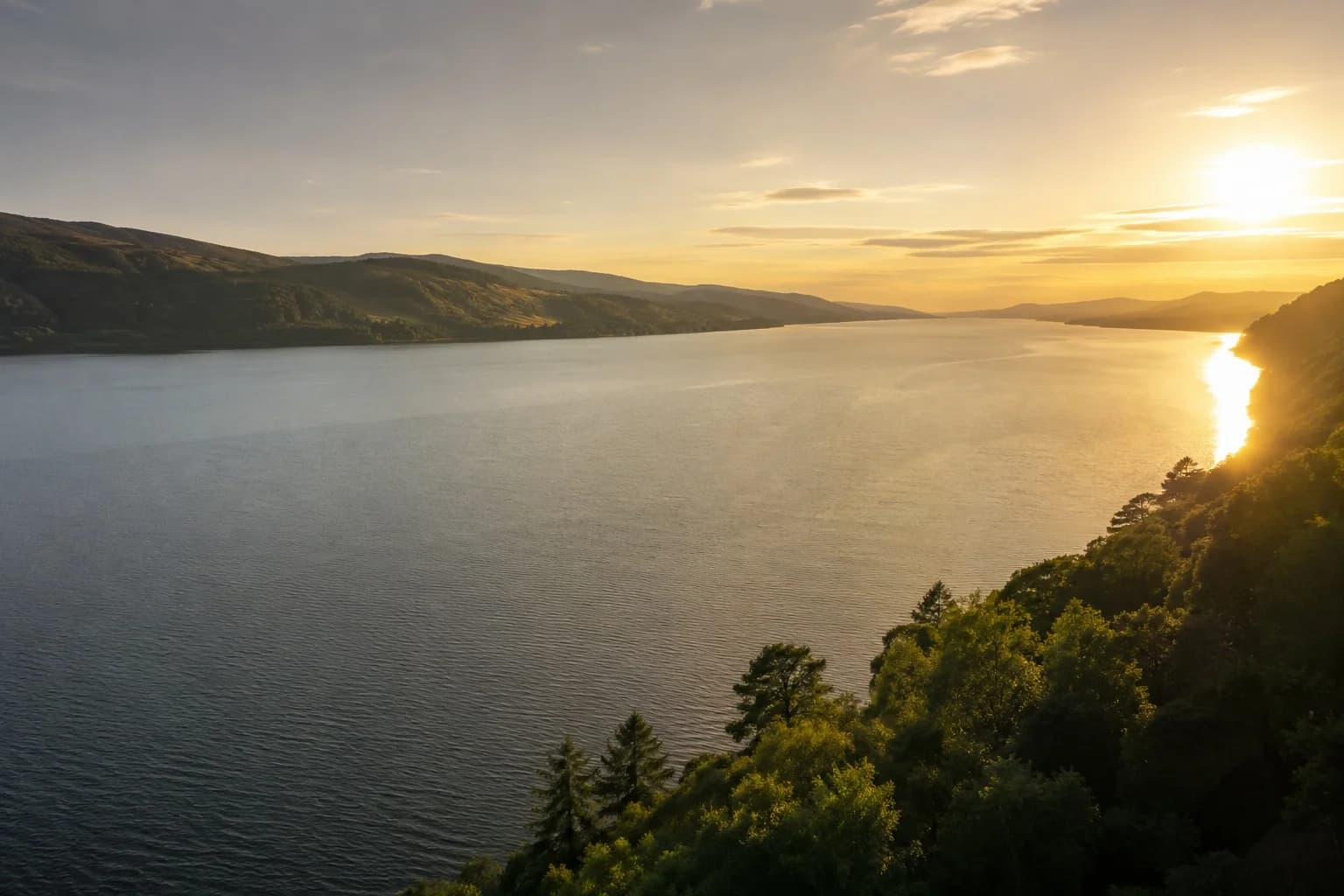
On 21 June the sun rises in Inverness around 4:18am and sets around 10:19pm. On 21 December it rises around 8:57am and sets around 3:33pm. That's roughly eighteen hours of usable day against six and a half. A Highland trip is mostly outdoors, so the summer premium is partly just a premium on daylight.
How Much Cheaper Is Winter Compared With Peak Season?
Demand in the cheapest Inverness months runs at roughly half the August level. Self-catering occupancy across Scotland fell to 29.4% in February 2023 against 58.4% in August, and Highland properties averaged 47.81% across the year, above the national figure of 43.07%.
The table below uses Scotland-wide self-catering unit occupancy from 2023, the last full year the survey covered before it was retired at the end of 2024. Treat it as a demand map rather than a price list, because occupancy is what pushes rates up and down.
| Month | Self-catering unit occupancy (Scotland, 2023) | What that usually means for price |
|---|---|---|
| January | 29.5% | Near the floor, best value after New Year |
| February | 29.4% | Lowest of the year, lightest competition |
| March | 30.7% | Still cheap, watch the Easter date |
| April | 46.0% | Prices climbing, Easter and Etape weekends spike |
| May | 50.8% | Shoulder pricing, sunniest month of the year |
| June | 52.8% | Peak begins, long days, high demand |
| July | 58.2% | Peak, school holidays and festivals |
| August | 58.4% | Busiest month, highest rates |
| September | 56.3% | Still peak, marathon weekend sells out |
| October | 45.8% | Falls fast after the school break ends |
| November | 31.2% | Cheap, but shortest usable days |
| December | 29.9% | Cheap until roughly 20 December, then it flips |
Two numbers in that table deserve a second look. October drops more than ten points from September, which makes the last week of October one of the better value windows of the whole year. And December's average is misleading, because the festive fortnight behaves like peak season while the first three weeks behave like November.
Are January and February Really Worth Booking?
Yes, if you want low rates and empty roads. January and February deliver the cheapest stays in Inverness, and February is often the better of the two because daylight has returned enough to make day trips workable.
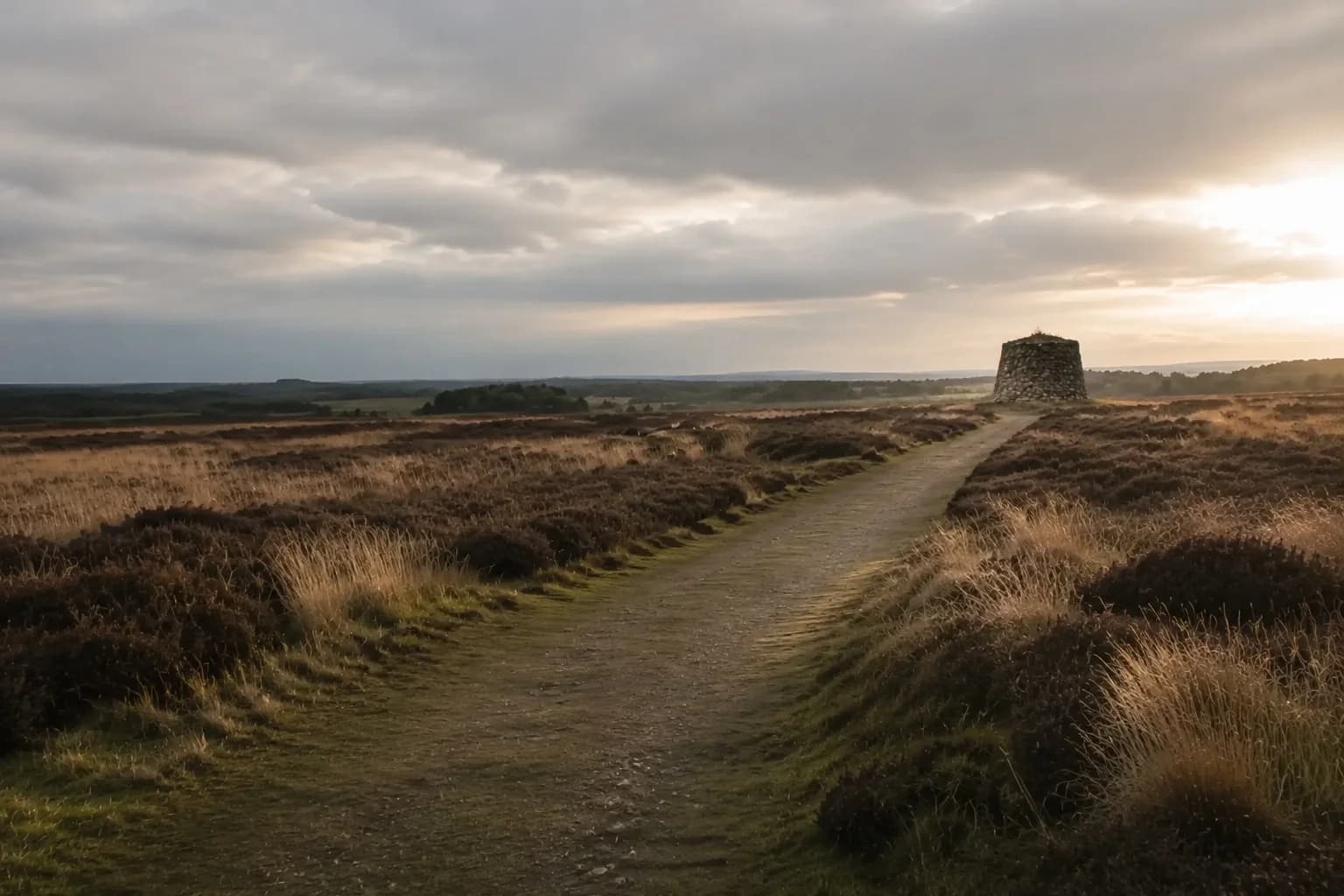
What you actually get in those months is space. Culloden without a coach party. Parking outside the Victorian Market. A table at almost any restaurant without booking three days ahead.
What you give up
Daylight is the main cost. In mid-February the sun is up around 7:47am and down around 5:15pm, which is enough for one solid outing plus a drive, not two. Some visitor attractions also run reduced winter hours or close entirely, so check individual opening times before you build an itinerary around them.
Weather is less of a problem than the reputation suggests. Inverness is one of the drier parts of Scotland, sitting under 900mm of rain a year, while Fort William, only 66 miles southwest, takes well over double that. Cold, yes. Constantly soaked, no. Frost and ice on higher routes are the bigger planning issue, so read up on Inverness in winter before committing to long drives.
Who these months suit
Couples, photographers, anyone doing a Culloden Battlefield and Clava Cairns trip, and people who genuinely dislike crowds. Families with school-age children mostly can't use these dates, which is precisely why they stay cheap.
What About the Shoulder Months, April, May and October?
Shoulder months cost more than deep winter but far less than July or August, and they buy back most of the daylight. Late October and early May tend to give the best balance of price, weather and open attractions across the whole Inverness calendar.
May is the sunniest month of the year in Inverness, averaging around 5.9 hours of sunshine a day. It also sits below peak on demand, at 50.8% occupancy against August's 58.4%. Early May, before the NC500 traffic properly builds, is the single most underrated window here.
Late October works for the opposite reason. Once the Highland school break ends, demand falls off a cliff, but the autumn colour along the Ness and up through Strathglass is still there.
April is trickier. Prices are already climbing, and Easter moves around the calendar, dragging a two-week spike with it.
If you're weighing a shoulder month against deep winter, this is usually the honest trade: pay maybe a third more, get four or five extra hours of daylight a day. For most trips that's worth it. For a two-night break where you're mainly resting, it isn't.
Which Dates Stay Expensive Even in a Cheap Month?
Some dates ignore the seasonal pattern entirely. Hogmanay, school holidays and major event weekends push Inverness rates to peak levels even in months that are otherwise among the cheapest of the year.
Cheap month does not mean cheap week. These are the dates that break the rule:
- Hogmanay and the festive week. Roughly 20 December to 3 January prices like high summer. Inverness fills up for New Year and the city's Hogmanay events, and minimum stays get longer.
- Highland school holidays. Highland Council's published term dates put the 2026 October break from 12 to 23 October, Christmas from 23 December to 5 January, the February break on 15, 16 and 17 February 2027, and Easter from 26 March to 9 April 2027. Local demand rises across all of those.
- English and Welsh half-terms. These rarely line up with Scottish dates, which is useful. A week that's quiet locally can still be busy with visitors from further south.
- Loch Ness Marathon weekend. The 2026 race runs on 27 September and the 2027 race on 26 September. Accommodation across the city books out months ahead for it; the Loch Ness Marathon accommodation and transport guide covers that weekend in detail.
- Etape Loch Ness. Set for 25 April 2027, with road closures around the loch and a hard squeeze on beds that weekend.
- Belladrum Tartan Heart Festival. Scheduled for 29 to 31 July 2027 at Belladrum Estate, roughly twenty minutes from the city.
- Inverness Half Marathon, on 14 March 2027, which quietly ruins one of March's otherwise cheapest weekends.
Worth noting the February break in Highland is only three days, not a full week. That's a genuinely useful quirk. February stays cheap here in a way it doesn't in much of England, because local families aren't off for five days.
Does Self-Catering Change the Maths in the Cheap Months?
It changes it more in winter than in summer. Self-catering removes the per-person pricing that hotels apply, and in cold months the ability to cook, do laundry and spread out matters far more than it does in July.
Hotel pricing scales with heads. A family of five in Inverness usually means two rooms, and two rooms in a cheap month can still cost more than one holiday home. That gap is the whole argument for choosing self-catering over a hotel on a longer or larger booking.
Winter self-catering has a few specific advantages worth pricing in:
- Meals. Restaurant winter hours in Inverness are shorter, and a kitchen removes the problem entirely
- Drying space. You will get wet at some point between November and March
- Longer stays. Weekly and monthly rates fall further than nightly ones, which matters for stays of a month or more
- Parking. City-centre hotels often charge for it, while free parking near Inverness is standard slightly outside the centre
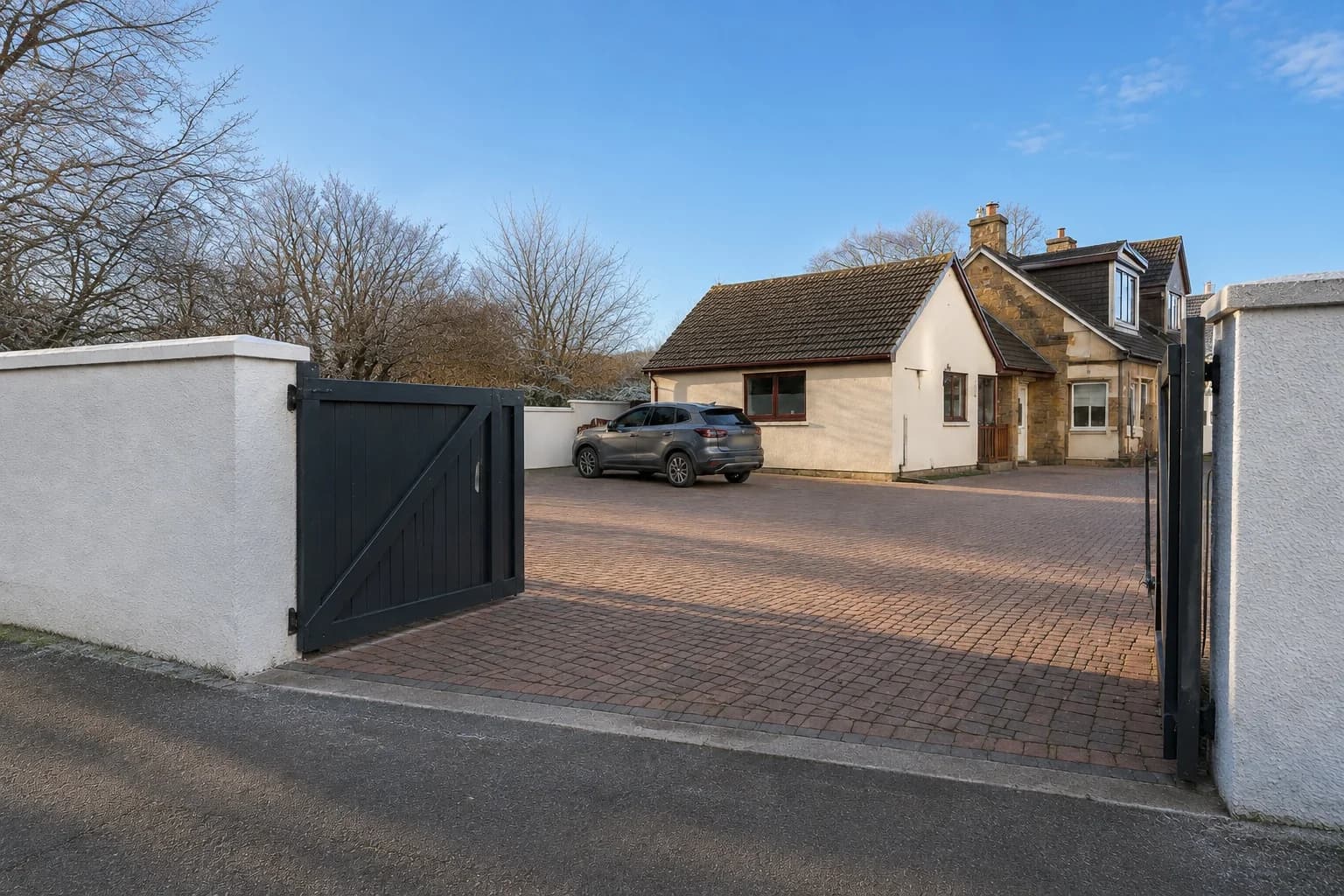
- Space per pound. Two self-contained units, like Mardon's Main House and Annex, work out very differently from four hotel rooms
Mardon's own direct rate starts at £120 a night across two units in Milton of Culloden, about fifteen minutes from Inverness Airport and around 5km from Culloden Battlefield. Rates like that shift with season and length of stay, which is the entire point of picking your month carefully.
How Do You Actually Book a Cheap Month Well?
Pick the month first, then the week, then the property. Avoid the festive fortnight and event weekends, travel midweek where you can, and check the cancellation policy before locking in dates months ahead.
Booking lead time behaves differently in cheap months. Two or three weeks' notice is often plenty in February, where the same notice in July would leave you with whatever nobody else wanted. The full picture on how far ahead you need to book is worth reading before you commit.
Midweek helps more than most people realise. Friday and Saturday carry a premium in Inverness year-round, and in a low month the weekday rate can undercut the weekend meaningfully.
Check the cancellation terms before booking early. Mardon refunds in full more than 30 days out and 50% between 14 and 30 days, which makes an early winter booking low-risk rather than a bet. The full cancellation terms are worth two minutes of your time.
One last thing on location. In winter, where you base yourself matters more than in summer, because shorter days mean less tolerance for long drives. The drive times from Milton of Culloden to the airport, the city centre and Loch Ness are all short enough to work on a six-hour day.
Frequently Asked Questions
What is the single cheapest month to stay in Inverness?
February. Scotland-wide self-catering occupancy hit its 2023 low of 29.4% that month, and Highland demand follows the same pattern. January runs a very close second.
Is November cheaper than February in Inverness?
Roughly the same on price, worse on everything else. November occupancy was 31.2% against February's 29.4%, but November has less daylight and wetter weather, so February usually gives better value.
Are Inverness prices high over Christmas and New Year?
Yes. Roughly 20 December to 3 January prices like peak summer because of Hogmanay demand, even though the rest of December is one of the cheapest stretches of the year.
When does peak season start in Inverness?
Late May, driven mainly by NC500 traffic and the start of the Highland touring season. Demand stays above 50% occupancy from May through September before dropping sharply in October.
Is it worth visiting Inverness in winter at all?
For couples, photographers and history trips, yes. For a packed sightseeing itinerary, less so, because you get around six and a half hours of daylight in late December against eighteen in June.
Does booking a cheap month mean fewer things are open?
Some attractions run reduced winter hours or close between November and March. Culloden, Loch Ness and the city centre stay accessible year-round, but check individual opening times before you plan a full day around one site.
You can check live availability and direct rates for specific dates, which is the only way to see what a given month actually costs.
About the author
Bushra
Host, Mardon Holiday Home
Bushra hosts both self-catering units at Mardon in Milton of Culloden and answers every direct enquiry herself. These guides come from questions guests actually ask before booking.